
Same Mutation, Different Fate
When MRD testing evolves from a numerical readout into a definition of clonal behavior, it becomes what clinicians have needed all along: a tool that informs action, not just detection.
When MRD testing evolves from a numerical readout into a definition of clonal behavior, it becomes what clinicians have needed all along: a tool that informs action, not just detection.

The Covid-19 pandemic has brought a laser focus to the critical and immediate need for next-generation sequencing tools that can generate invaluable data for not only identifying emerging variants but for understanding the functional and epidemiological consequences of variant-specific mutations.

Healthcare decision-makers, especially at pharmaceutical companies, must prioritize patient input. Data collected from social media listening is a significant step in the right direction.

Under the decision, Medicare patients with inherited cancer mutations such as BRCA will receive coverage for NGS testing. Drugs that treat BRCA-mutated breast and ovarian cancers include AstraZeneca's Lynparza and Pfizer's Talzenna.

Federal regulators said they would seek to block the acquisition deal amid concerns that Illumina was seeking to eliminate PacBio as a competitor in the next-generation sequencing space.
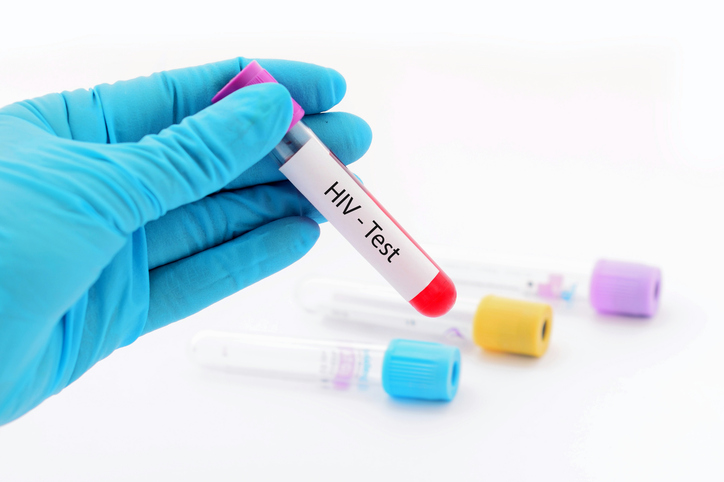
The agency announced it had authorized Vela Diagnostics' Sentosa SQ HIV Genotyping Assay, designed to help healthcare providers tailor antiviral therapy based on the presence of viral resistance mutations.

The startup describes its software as providing clinical labs with more streamlined and accurate analysis, interpretation and reporting for accelerating personalized medicine programs.


In an interview, Kyan Health Co-Founder and Chief Commercial Officer Konstantin Struck discussed how Kyan gives mid-market and enterprise employers access to premium workforce mental healthcare, at a price point that is affordable.
The partnership will also enable Foundation Medicine to move into ex-US markets like Japan, where it is working with drugmaker Chugai.

The study, conducted with St. Jude Children's Research Hospital, showed a 78 percent predictive sensitivity two days before the onset of infection.

In a first, the agency approved Adaptive Biotechnologies' clonoSEQ assay to detect MRD in acute lymphoblastic leukemia and multiple myeloma, a measure that can predict risk of relapse.

In January 2016, Independence Blue Cross and NantHealth announced the nation's first coverage for a whole genome sequencing and proteome molecular diagnostic platform, but it's mostly slipped under the radar since then. What's going on?


We have the opportunity to design systems that give people greater capacity for the work where human presence matters most: listening, understanding, reassuring, deciding, and caring.

Forecast of significant growth in market comes after Roche acquired remaining stake in Foundation Medicine last month.

The company plans to bring NGS to health systems lacking the ability to perform it internally.

Companies to create tests for tissue-agnostic MSI-H and dMMR cancers using Foundation's next-generation sequencing platform.

Next-generation sequencing firm plans to present data on its gargantuan genomics study at ASCO next month.
The leader of the sequencing world is ticking over nicely with sales and revenue, according to Tuesday's earnings call. But what's happening behind the scenes? Here we take a look at five trends shaping the future of the company.